Legend in Windows Forms Chart
18 Nov 201824 minutes to read
The Legend provides information about the data points or series displayed in the chart, helping users identify the corresponding data.
Defining the legend
By default, a ChartLegend instance is added to the chart’s Legends collection. This default legend can be accessed and customized through the Legend property.
The following code customizes the default legend alignment and position.
chartControl.Legend.Alignment = ChartAlignment.Center;
chartControl.Legend.Position = ChartDock.Top;chartControl.Legend.Alignment = ChartAlignment.Center
chartControl.Legend.Position = ChartDock.Top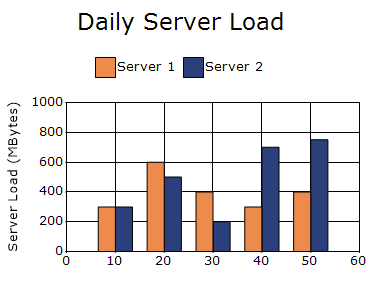
Chart legend item
A legend item is represented by the ChartLegendItem class.
Default series legend items
Each ChartSeries is associated with a ChartLegendItem, which is automatically displayed in the default ChartLegend.
To display the series in a custom legend, set the LegendName property to the name of the target legend.
The following code example associates a series with a custom legend.
//Specifies the custom ChartLegend with which this series' legend item should be associated with
series1.LegendName = "MyLegend";
'Specifies the custom ChartLegend with which this series' legend item should be associated with
series1.LegendName = "MyLegend"Legend visibility
The visibility of the default legend, a legend instance, a series legend item, and an chart legend item can be controlled independently.
Show legend
The ShowLegend property controls whether the chart displays the default legend. The default value is true.
The following code example hides the default legend.
chartControl.ShowLegend = false;chartControl.ShowLegend = FalseS
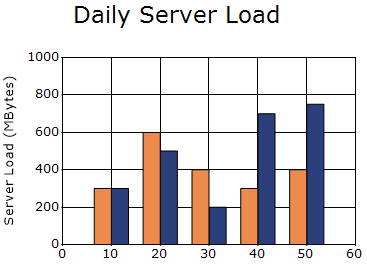
Chart legend visibility
The Visible property controls whether a specific ChartLegend instance is displayed or not. This property can be used for the default legend or any additional legend added to the chart. The default value is true.
The following code example hides the default ChartLegend instance.
chartControl.Legend.Visible = false;chartControl.Legend.Visible = False
Series legend item visibility
The LegendItem property provides access to the legend item associated with a chart series. The Visible property of the legend item controls whether the legend is displayed without hiding the corresponding series. The default value is true.
The following code example hides the legend item associated with the series.
series.LegendItem.Visible = false;series.LegendItem.Visible = False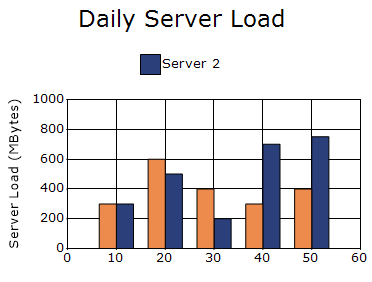
Chart legend item visibility
The Items property returns the legend items automatically generated for the chart series. Set the Visible property of an item to show or hide that legend item. The default value is true.
The following code example hides the second auto-generated legend item.
chartControl.Legend.Items[1].Visible = false;chartControl.Legend.Items(1).Visible = False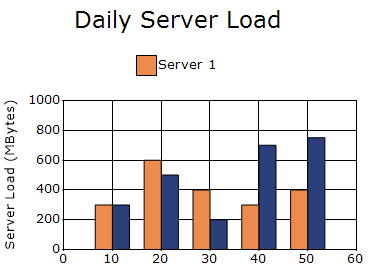
Legend item icon visibility
The ShowIcon property controls whether the icon of an individual legend item is displayed. The default value is true.
The following code example hides the icon of the first legend item.
chartControl.Legend.Items[0].ShowIcon = false;chartControl.Legend.Items(0).ShowIcon = False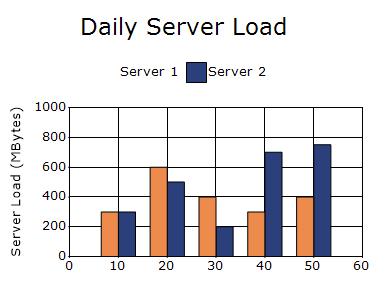
Toggle series visibility
The legend supports checkbox-based visibility control for all series or individual legend items.
Legend checkbox visibility
The VisibleCheckBox property controls whether checkboxes are displayed for all legend items in the legend. If this checkbox is unchecked, the corresponding series will disappear from the chart plot. The default value is false.
The following code example displays checkboxes for all legend items.
chartControl.Legend.VisibleCheckBox = true;chartControl.Legend.VisibleCheckBox = True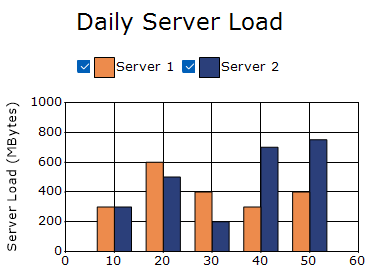
Legend item checkbox visibility
The VisibleCheckBox property controls whether the checkbox is displayed for an individual legend item. The default value is false.
VisibleCheckBox applies to all legend items, whereas ChartLegendItem.VisibleCheckBox applies only to the specified legend item.
The following code example displays the checkbox only for the first legend item.
chartControl.Legend.Items[0].VisibleCheckBox = true;chartControl.Legend.Items(0).VisibleCheckBox = True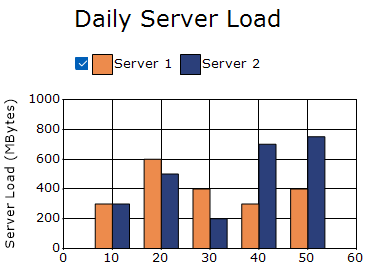
Legend item checked state
The IsChecked property specifies the checked state of an individual legend item. The default value is true.
To use the IsChecked property, enable the checkbox by setting either ChartLegend.VisibleCheckBox or ChartLegendItem.VisibleCheckBox to
true.
The following code example unchecks the first legend item.
chartControl.Legend.Items[0].IsChecked = false;chartControl.Legend.Items(0).IsChecked = False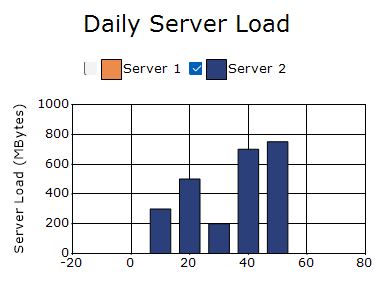
Customizing labels
The legend title and individual item labels can be customized independently.
Legend title customization
The following properties customize the legend title:
-
Text: Specifies the legend title text. The default value is
empty string. -
ForeColor: Specifies the title color. The default value is
Color.Black. -
TextAlignment: Specifies the alignment of the legend title text. The default value is
StringAlignment.Center. - The supported StringAlignment values are:
- Near: Aligns the title near the starting edge.
- Center: Aligns the title at the center.
- ar: Aligns the title near the ending edge.
-
Font: Specifies the font used by the legend. The default font style is
Verdana, 8f, Regular.
The TextColor property is obsolete. Use the ForeColor property instead.
The following code example customizes the legend title.
chartControl.Legend.Text = "Servers";
chartControl.Legend.ForeColor = Color.Red;
chartControl.Legend.TextAlignment = StringAlignment.Center;
chartControl.Legend.Font = new Font("Segoe UI", 10, FontStyle.Bold);chartControl.Legend.Text = "Servers"
chartControl.Legend.ForeColor = Color.Red
chartControl.Legend.TextAlignment = StringAlignment.Center
chartControl.Legend.Font = New Font("Segoe UI", 10, FontStyle.Bold)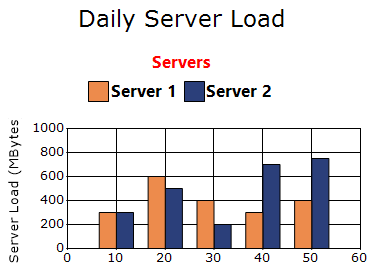
Legend item text
The following properties customize an individual legend item label:
- Text: Specifies the item text. By default, the corresponding series name is displayed.
-
TextColor: Specifies the item text color. The default value is
Color.Black. -
Font: Specifies the item font. The default value is
null. - TextLines: Specifies multiple lines of item text. By default, it reflects the value of the Text property.
-
TextAligment: Specifies the vertical alignment of the item text. The default value is Center. The supported VerticalAlignment values are:
- Top: Aligns the text at the top of the legend item.
- Center: Aligns the text at the center of the legend item.
- Bottom: Aligns the text at the bottom of the legend item.
- Children: Returns the collection of child items associated with the legend item. This property is read-only, but items can be added to or removed from the returned collection.
The following code example customizes the first legend item label.
ChartLegendItem item = chartControl.Legend.Items[0];
item.Text = "First Server";
item.TextColor = Color.Red;
item.Font = new Font("Segoe UI", 9, FontStyle.Bold);
Dim item As ChartLegendItem = chartControl.Legend.Items(0)
item.Text = "First Server"
item.TextColor = Color.Red
item.Font = New Font("Segoe UI", 9, FontStyle.Bold)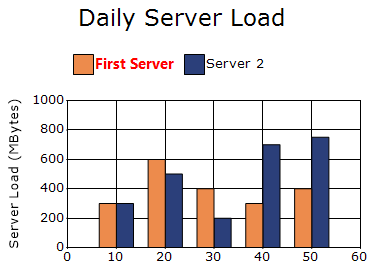
Legend item appearance
The following properties customize the appearance and spacing of an individual legend item:
-
Interior: Specifies the brush used to fill the rectangular representation area of the legend item. The default value is
Color.White; -
Font: Specifies the font used to render the legend item text. The default value is
null - Spacing: Specifies the spacing around the legend item content. The default value is 0.
-
TextAligment: Specifies the vertical alignment of the legend-item text. The default value is Center. The supported values are:
- Top: Aligns the text at the top of the legend item.
- Center: Aligns the text at the center of the legend item.
- Bottom: Aligns the text at the bottom of the legend item.
The following code example customizes the appearance of the legend item.
ChartLegendItem item = new ChartLegendItem();
item.Interior = new BrushInfo(Color.LightYellow);
item.Font = new Font(  "Segoe UI", 9, FontStyle.Bold);
item.Spacing = 20;
item.TextAligment = VerticalAlignment.Center;
Dim item As New ChartLegendItem()
item.Interior = New BrushInfo(Color.LightYellow)
item.Font = New Font("Segoe UI", 9, FontStyle.Bold)
item.Spacing = 20
item.TextAligment = VerticalAlignment.Center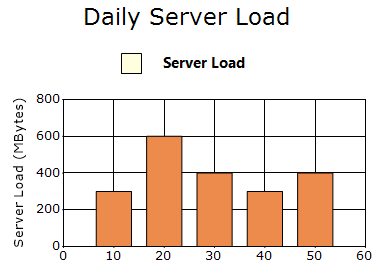
Legend item shadow appearance
The following properties customize the shadow of an individual legend item:
-
ShowShadow: Controls whether a shadow is displayed for the legend item. The default value is
false. -
ShadowColor: Specifies the shadow color. The default value is
Color.Gray. -
ShadowOffset: Specifies the horizontal and vertical shadow offset. The default value is
new Size(2,2);
The following code example applies a shadow to the legend item.
item.ShowShadow = true;
item.ShadowColor = Color.Gray;
item.ShadowOffset = new Size(2, 2);item.ShowShadow = True
item.ShadowColor = Color.Gray
item.ShadowOffset = New Size(2, 2)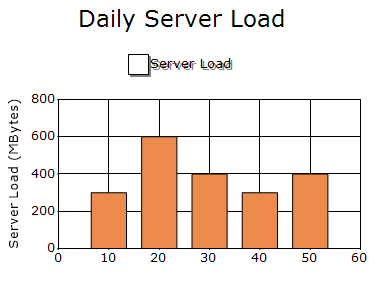
Legends placement
The LegendsPlacement property specifies whether legends are displayed inside or outside the chart area. The default value is Inside.
The following values are supported:
- Inside: Displays the legend within the chart area.
- Outside: Displays the legend outside the chart area.
The following code example places the legend outside the chart area.
chartControl.LegendsPlacement = ChartPlacement.Outside;chartControl.LegendsPlacement = ChartPlacement.Outside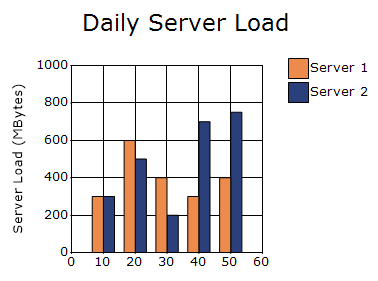
Docking position
The Position property specifies the docking position of the legend. By default Right is applied.
The supported ChartDock values are:
- Top: Positions the legend at the top of the chart.
- Bottom: Positions the legend at the bottom of the chart.
- Left: Positions the legend on the left side of the chart.
- Right: Positions the legend on the right side of the chart.
- Floating: Displays the legend at a floating location instead of positioning it along a chart edge.
The following code example docks the legend at the top.
chartControl.Legend.Position = ChartDock.Top;chartControl.Legend.Position = ChartDock.Top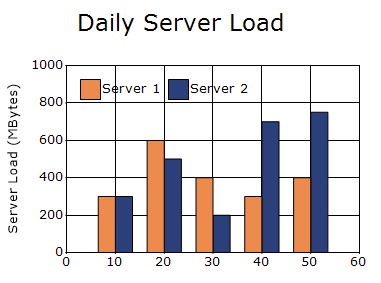
Legend alignment
The LegendAlignment property specifies the alignment of the legend. The default value is Center.
The supported ChartAlignment values are:
- Near: Aligns the legend near the starting edge.
- Center: Aligns the legend at the center.
- Far: Aligns the legend near the ending edge.
The following code example far the legend within its docking area.
chartControl.Legend.LegendAlignment = ChartAlignment.Far;chartControl.Legend.LegendAlignment = ChartAlignment.Far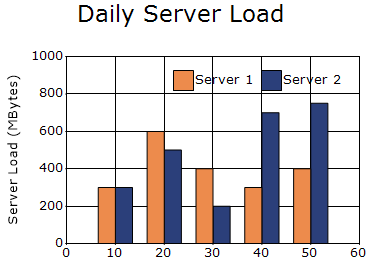
Floating legend
The following properties customize a floating legend:
- Location: Specifies the floating location.
-
FloatingAutoSize: Controls whether the legend automatically adjusts its location and size while floating. The default value is
true.
The following code example displays a floating legend.
chartControl.Legend.Position = ChartDock.Floating;
chartControl.Legend.Location = new Point(100, 80);chartControl.Legend.Position = ChartDock.Floating
chartControl.Legend.Location = New Point(100, 80)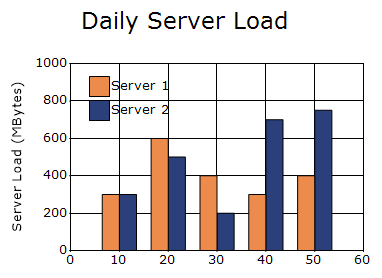
Legend layout
The following properties control how legend items are arranged:
-
RowsCount: Specifies the number of rows for the legend. The default value is
1. -
ColumnsCount: Specifies the number of columns for the legend. The default value is
1. -
Spacing: Specifies the spacing between the content and the legend border. The default value is
4. -
ItemsAlignment: Specifies the alignment of legend items. The default value is
StringAlignment.Near. It support the following values:- Near
- Center
- Far
-
ItemsTextAligment: Specifies the vertical alignment of item text. The default value is Center.
The following vertical alignment options are supported:- Top - Aligns the legend item text to the top of the legend item area.
- Center - Centers the legend item text vertically within the legend item area.
- Bottom - Aligns the legend item text to the bottom of the legend item area.
- ItemsSize: Specifies the default size of legend item rectangle. The specified size is ignored if it is insufficient to render the legend item text.
The following code example customizes the legend item layout.
chartControl.Legend.RowsCount = 2;
chartControl.Legend.ColumnsCount = 2;
chartControl.Legend.ItemsAlignment = StringAlignment.Near;
chartControl.Legend.ItemsTextAligment = VerticalAlignment.Center;
chartControl.Legend.ItemsSize = new Size(20, 20);chartControl.Legend.RowsCount = 2
chartControl.Legend.ColumnsCount = 2
chartControl.Legend.ItemsAlignment = StringAlignment.Near
chartControl.Legend.ItemsTextAligment = VerticalAlignment.Center
chartControl.Legend.ItemsSize = New Size(20, 20)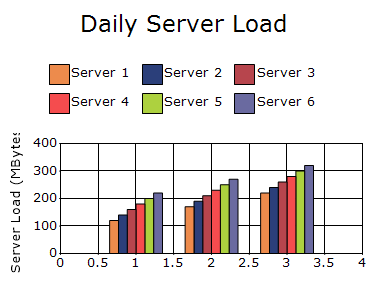
Customize legend icon
Legend icons can be displayed using the corresponding series type, a series symbol, a predefined representation, a custom symbol, or an image.
Series type icon
The RepresentationType property specifies how the icon of each legend item is represented. By default, the icon is rendered based on the corresponding series type.
The following code example displays an icon based on the series type.
chartControl.Legend.RepresentationType = ChartLegendRepresentationType.SeriesType;chartControl.Legend.RepresentationType = ChartLegendRepresentationType.SeriesType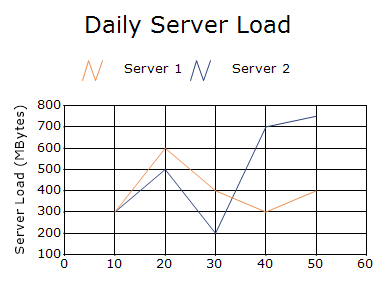
Draw series icon
The DrawSeriesIcon property controls whether an automatically generated series legend item displays an icon representing its series type. The default value is true.
The following code example disables the series type icon for the first automatically generated legend item.
chartControl.Series[0].LegendItem.DrawSeriesIcon = false;chartControl.Series(0).LegendItem.DrawSeriesIcon = False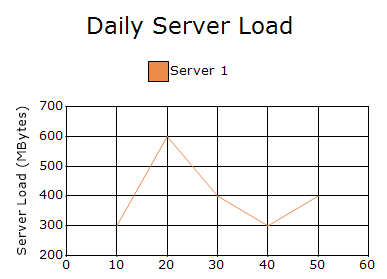
Series symbol
The ShowSymbol property controls whether the symbol used for series data points is displayed in the legend. The default value is false.
To show the series symbol set the RepresentationType to None
The following code example displays the series symbol in the legend.
chartControl.Legend.ShowSymbol = true;
chartControl.Series[0].Style.Symbol.Shape = ChartSymbolShape.Diamond;
chartControl.Series[0].Style.Symbol.Color = Color.Red;
chartControl.Series[0].Style.Symbol.Size = new Size(7, 7);
chartControl.Legend.RepresentationType = ChartLegendRepresentationType.None;chartControl.Legend.ShowSymbol = True
chartControl.Series(0).Style.Symbol.Shape = ChartSymbolShape.Diamond
chartControl.Series(0).Style.Symbol.Color = Color.Red
chartControl.Series(0).Style.Symbol.Size = New Size(7, 7)
chartControl.Legend.RepresentationType = ChartLegendRepresentationType.None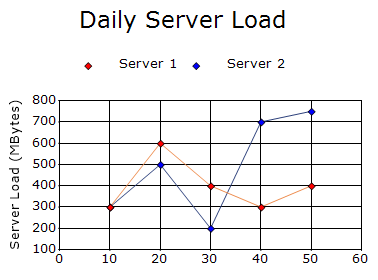
Custom representation icon
The RepresentationType property controls how chart series are represented in the legend. By default, legend items are represented using the series type SeriesType.
The RepresentationType property supports the following ChartLegendRepresentationType values:
- Circle
- Cross
- Diamond
- Hexagon
- InvertedTriangle
- Line
- None
- Pentagon
- Rectangle
- SeriesImage
- SeriesType
- StraightLine
- Triangle
The following code example displays a diamond representation.
chartControl.Legend.RepresentationType = ChartLegendRepresentationType.Diamond;chartControl.Legend.RepresentationType = ChartLegendRepresentationType.Diamond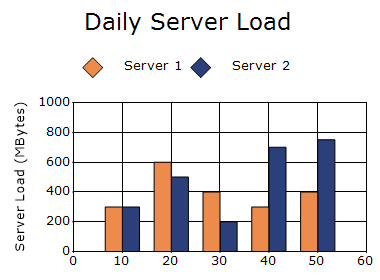
More symbol shapes
The Symbol and ItemStyle properties customize the shape, size, and color of an individual item symbol.
The following code example displays a triangle symbol.
chartControl.Legend.ShowSymbol = true;
chartControl.Legend.Items[0].Symbol.Shape = ChartSymbolShape.Triangle;
chartControl.Legend.Items[0].Symbol.Size = new Size(11, 11);
chartControl.Legend.Items[0].Symbol.Color = Color.Yellow;chartControl.Legend.ShowSymbol = True
chartControl.Legend.Items(0).Symbol.Shape = ChartSymbolShape.Triangle
chartControl.Legend.Items(0).Symbol.Size = New Size(11, 11)
chartControl.Legend.Items(0).Symbol.Color = Color.Yellow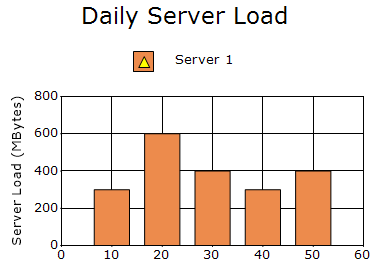
Legend item symbol and type
The following properties control the symbol rendered for an individual legend item:
-
ShowSymbol: Controls whether the legend item symbol is displayed. The default value is
false. -
Type: Specifies the representation rendered in the icon area. The default value is Rectangle.
The supported ChartLegendItemType values are- Area
- Circle
- Cross
- Diamond
- Hexagon
- Image
- InvertedTriangle
- Line
- None
- Pentagon
- PieSlice
- Rectangle
- Spline
- SplineArea
- StraightLine
- Triangle
The following code example displays a circular symbol for the legend item.
item.ShowSymbol = true;
item.Type = ChartLegendItemType.Circle;item.ShowSymbol = True
item.Type = ChartLegendItemType.Circle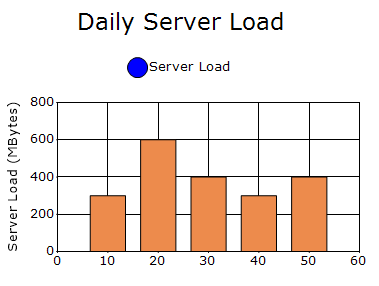
Custom images
The following properties customize an image-based legend item:
-
Image: Specifies an image directly. The default value is
null. -
ImageList: Specifies the image collection associated with the item. The default value is
null. -
ImageIndex: Specifies the image index within the collection. The default value is
-1. - RepresentationSize: Specifies the size of the representation icon. By default, the legend item uses the standard representation size.
-
IconAlignment: Specifies whether the icon is displayed to the left or right of the text. The default value is
HorizontalAlignment.Left
The following code example applies an image directly to a legend item.
// Example for image location Image.FromFile(@"Location/image");
chartControl.Legend.Items[0].Image = Image.FromFile("image.png");
chartControl.Legend.Items[0].RepresentationSize = new Size(20, 20);
chartControl.Legend.Items[0].IconAlignment = LeftRightAlignment.Right;
' Example for image location Image.FromFile("Location/image")
chartControl.Legend.Items(0).Image = Image.FromFile("image.png")
chartControl.Legend.Items(0).RepresentationSize = New Size(20, 20)
chartControl.Legend.Items(0).IconAlignment = LeftRightAlignment.Right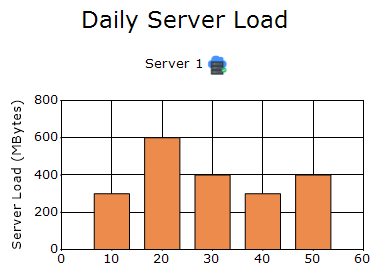
Hiding icons
Icons for legend items can be hidden in any of the following ways:
The following code example hides the icon of the first legend item.
chartControl.Legend.RepresentationType = ChartLegendRepresentationType.None;
chartControl.Legend.Items[0].ShowIcon = false;
chartControl1.Legend.Items[0].Type = ChartLegendItemType.None;chartControl.Legend.RepresentationType = ChartLegendRepresentationType.None
chartControl.Legend.Items(0).ShowIcon = False
chartControl.Legend.Items(0).Type = ChartLegendItemType.NoneLegend appearance
The legend background, border, and item shadows can be customized independently.
Legend background
The BackColor property specifies a solid legend background. The default value is Color.Transparent. The BackInterior property accepts a BrushInfo and supports solid or gradient backgrounds. By default, no custom brush is applied, and the legend uses its BackColor setting for rendering.
The following code example applies a vertical gradient background.
chartControl.Legend.BackInterior = new BrushInfo(GradientStyle.Vertical, Color.White, Color.LightBlue);chartControl.Legend.BackInterior = New BrushInfo(GradientStyle.Vertical, Color.White, Color.LightBlue)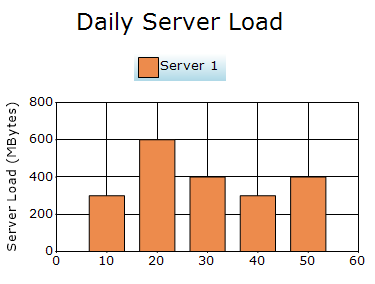
Legend background image
The following properties customize the legend background image:
BackgroundImage: Specifies the image displayed in the legend background.
BackgroundImageLayout: Specifies how the image is arranged within the legend. The supported values are None, Tile, Center, Stretch, and Zoom.
The following code example displays a background image in the default legend using the Zoom layout.
// Example for image location Image.FromFile(@"Location/image");
chartControl.Legend.BackgroundImage = Image.FromFile(image.png");
chartControl.Legend.BackgroundImageLayout = ImageLayout.Zoom;
' Example for image location Image.FromFile("Location/image")
chartControl.Legend.BackgroundImage = Image.FromFile("image.png")
chartControl.Legend.BackgroundImageLayout = ImageLayout.ZoomLegend border
The ShowBorder property controls whether the legend border is displayed. The default value is false.The Border property gets the LineInfo used to draw the border.
The Border property is get-only. Customize its individual line settings directly.
The following code example displays and customizes the legend border.
chartControl.Legend.ShowBorder = true;
chartControl.Legend.Border.ForeColor = Color.DarkBlue;
chartControl.Legend.Border.Width = 2;
chartControl.Legend.Border.DashStyle = DashStyle.Solid;chartControl.Legend.ShowBorder = True
chartControl.Legend.Border.ForeColor = Color.DarkBlue
chartControl.Legend.Border.Width = 2
chartControl.Legend.Border.DashStyle = DashStyle.Solid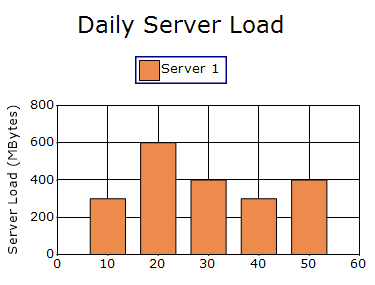
Legend shadow
The following properties apply a common shadow to all legend items:
-
ShowItemsShadow: Controls whether item shadows are displayed. The default value is
false. -
ItemsShadowColor: Specifies the shadow color. he default value is
Color.Gray. -
ItemsShadowOffset: Specifies the shadow offset. The default value is
Size(2, 2).
The following code example applies a shadow to all legend items.
chartControl.Legend.ShowItemsShadow = true;
chartControl.Legend.ItemsShadowColor = Color.Gray;
chartControl.Legend.ItemsShadowOffset = new Size(2, 2);chartControl.Legend.ShowItemsShadow = True
chartControl.Legend.ItemsShadowColor = Color.Gray
chartControl.Legend.ItemsShadowOffset = New Size(2, 2)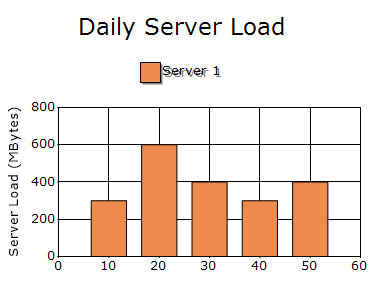
Adding custom legends
You can add custom legends to the chart through the Legends list as follows:
The SetDefSizeForCustom property is obsolete. For more information about customizing custom legend, refer to the Custom Legend KB article.
// Changing the position of the default legend
ChartLegend legend2 = new ChartLegend(chartControl);
legend2.Name = "MyLegend";
chartControl.Legends.Add(legend2);
Dim legend2 As New ChartLegend()
legend2.Name = "MyLegend"
chartControl.Legends.Add(legend2)Adding custom legend item
The ChartLegendItem class creates legend items that are not generated from chart series. Assign the items to the CustomItems property.
For more information about customizing a Custom Legend Item base article.
ChartLegendItem legendItem = new ChartLegendItem();
legendItem.ItemStyle.ShowSymbol = true;
legendItem.ItemStyle.Symbol.Shape = ChartSymbolShape.Circle;
legendItem.ItemStyle.Symbol.Color = Color.Blue;
legendItem.Text = "Legend Item";
chartControl.Legends[0].CustomItems = new ChartLegendItem[] { legendItem };
Dim legendItem As New ChartLegendItem()
legendItem.ItemStyle.ShowSymbol = True
legendItem.ItemStyle.Symbol.Shape = ChartSymbolShape.Circle
legendItem.ItemStyle.Symbol.Color = Color.Blue
legendItem.Text = "Legend Item"
chartControl.Legends(0).CustomItems = New ChartLegendItem() {legendItem}Customizing items through event
The following events support advanced legend-item customization:
- DrawItem: Occurs when a legend item is drawn.
- DrawItemText: Occurs when legend-item text is drawn.
- FilterItems: Occurs before legend items are rendered and allows the collection to be filtered.
- MinSize: Occurs when the minimum legend size is calculated.
The following code example registers the legend-item customization events.
chartControl.Legend.DrawItem += Legend_DrawItem;
private void Legend_DrawItem(object sender, ChartLegendDrawItemEventArgs e)
{
    Rectangle symbolRect = new Rectangle(e.Bounds.X, e.Bounds.Y + 2, 12, 12);
    e.Graphics.FillRectangle(Brushes.RoyalBlue, symbolRect);
    e.Graphics.DrawRectangle(Pens.Black, symbolRect);
    e.Handled = true;
}
' DrawItem Event
AddHandler chartControl.Legend.DrawItem, AddressOf Legend_DrawItem
Private Sub Legend_DrawItem(ByVal sender As Object, ByVal e As ChartLegendDrawItemEventArgs)
Dim symbolRect As New Rectangle(e.Bounds.X, e.Bounds.Y + 2, 12, 12)
e.Graphics.FillRectangle(Brushes.RoyalBlue, symbolRect)
e.Graphics.DrawRectangle(Pens.Black, symbolRect)
e.Handled = True
End SubchartControl.Legend.DrawItemText += Legend_DrawItemText;
private void Legend_DrawItemText(object sender, ChartLegendDrawItemTextEventArgs e)
{
e.Graphics.DrawString(e.Text, new Font("Segoe UI", 9, FontStyle.Bold), Brushes.DarkBlue, e.TextRect);
e.Handled = true;
}' DrawItemText Event
AddHandler chartControl.Legend.DrawItemText, AddressOf Legend_DrawItemText
Private Sub Legend_DrawItemText(ByVal sender As Object, ByVal e As ChartLegendDrawItemTextEventArgs)
e.Graphics.DrawString(e.Text, New Font("Segoe UI", 9, FontStyle.Bold), Brushes.DarkBlue, e.TextRect)
e.Handled = True
End SubchartControl.Legend.FilterItems += Legend_FilterItems;
private void Legend_FilterItems(object sender, ChartLegendFilterItemsEventArgs e)
{
for (int i = e.Items.Count - 1; i >= 0; i--)
{
if (e.Items[i].Text == "Series2")
{
e.Items.RemoveAt(i);
}
}
}' FilterItems Event
AddHandler chartControl.Legend.FilterItems, AddressOf Legend_FilterItems
Private Sub Legend_FilterItems(ByVal sender As Object, ByVal e As ChartLegendFilterItemsEventArgs)
For i As Integer = e.Items.Count - 1 To 0 Step -1
If e.Items(i).Text = "Series2" Then
e.Items.RemoveAt(i)
End If
Next
End SubchartControl.Legend.MinSize += Legend_MinSize;
private void Legend_MinSize(object sender, ChartLegendMinSizeEventArgs e)
{
Size size = e.Size
}' MinSize Event
AddHandler chartControl.Legend.MinSize, AddressOf Legend_MinSize
Private Sub Legend_MinSize(ByVal sender As Object, ByVal e As ChartLegendMinSizeEventArgs)
Dim size As Size = e.Size
End SubChanging legend properties at run time
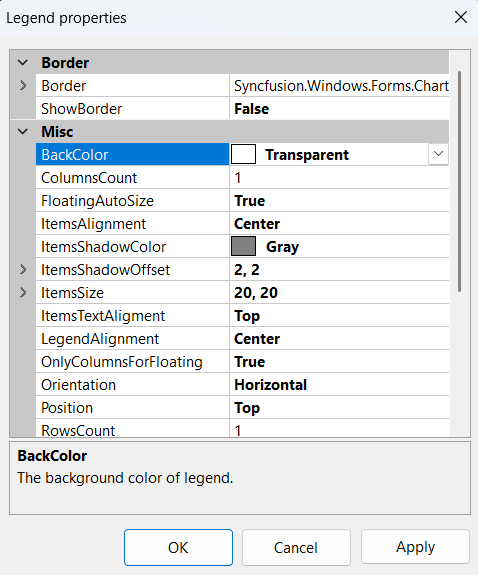
The legend appearance can be customized at run time. Double-click the legend text to open the Legend Properties dialog box, where you can modify the legend settings and apply the changes to the chart.
 {height:”350”, width=”350”}
See also
- How to manipulate the chart legend in WinForms Chart
- How to customize ChartLegend items in WinForms Chart
- How to create multiple legends for a ChartControl
- How to represent an image in a legend item in WinForms Chart
- How to customize the order of the legend in a WinForms Chart
- How to add custom legend items to the legend instead of automated legend items
- How to specify the position of a floating legend in WinForms Chart
- How to position a floating legend in Windows Forms Chart