Form Designer in React PDF Viewer
21 Oct 20266 minutes to read
When Form Designer mode is enabled in the Syncfusion React PDF Viewer, a default Form Designer user interface (UI) is displayed. This UI includes a built-in toolbar for adding form fields such as text boxes, password fields, check boxes, radio buttons, drop down lists, list boxes, signature and initial fields, and DateTime picker.
Using the Form Designer UI, users can place form fields on the PDF, move and resize them, configure field and widget properties, preview the designed form, and remove fields when required. The Form Designer toolbar can also be shown or hidden and customized to control the available tools based on application requirements, enabling flexible and interactive form design directly within the viewer.
Key Features
Add Form Fields:
The following form fields can be added to the PDF:
- Text box
- Password Field
- Check box
- Radio button
- Dropdown List
- List box
- Signature field
- Initial field
- DateTime picker
Edit Form Fields:
Form fields can be moved, resized, aligned, distributed, copied, pasted, and have changes undone or redone.
Set Field Properties:
Field properties such as name, value, font, color, border, alignment, visibility, tab order, and required or read-only state can be configured.
Control Field Behavior:
Field behavior can be controlled, including enabling or disabling read-only mode, showing or hiding fields, and determining whether fields appear when printing the document.
Manage Form Fields:
Form fields can be selected, grouped or ungrouped, reordered, and deleted as needed.
Save and Print Forms:
Designed form fields can be saved into the PDF document and printed with their appearances.
Design Forms Using the UI
When Form Designer mode is enabled in the Syncfusion React PDF Viewer, a default Form Designer user interface (UI) is displayed. This UI provides a built-in toolbar for adding common form fields such as text boxes, check boxes, radio buttons, drop down lists, and signature fields. Users can place fields on the PDF, select them, resize or move them, and configure their properties using the available editing options, enabling interactive form creation directly within the viewer.
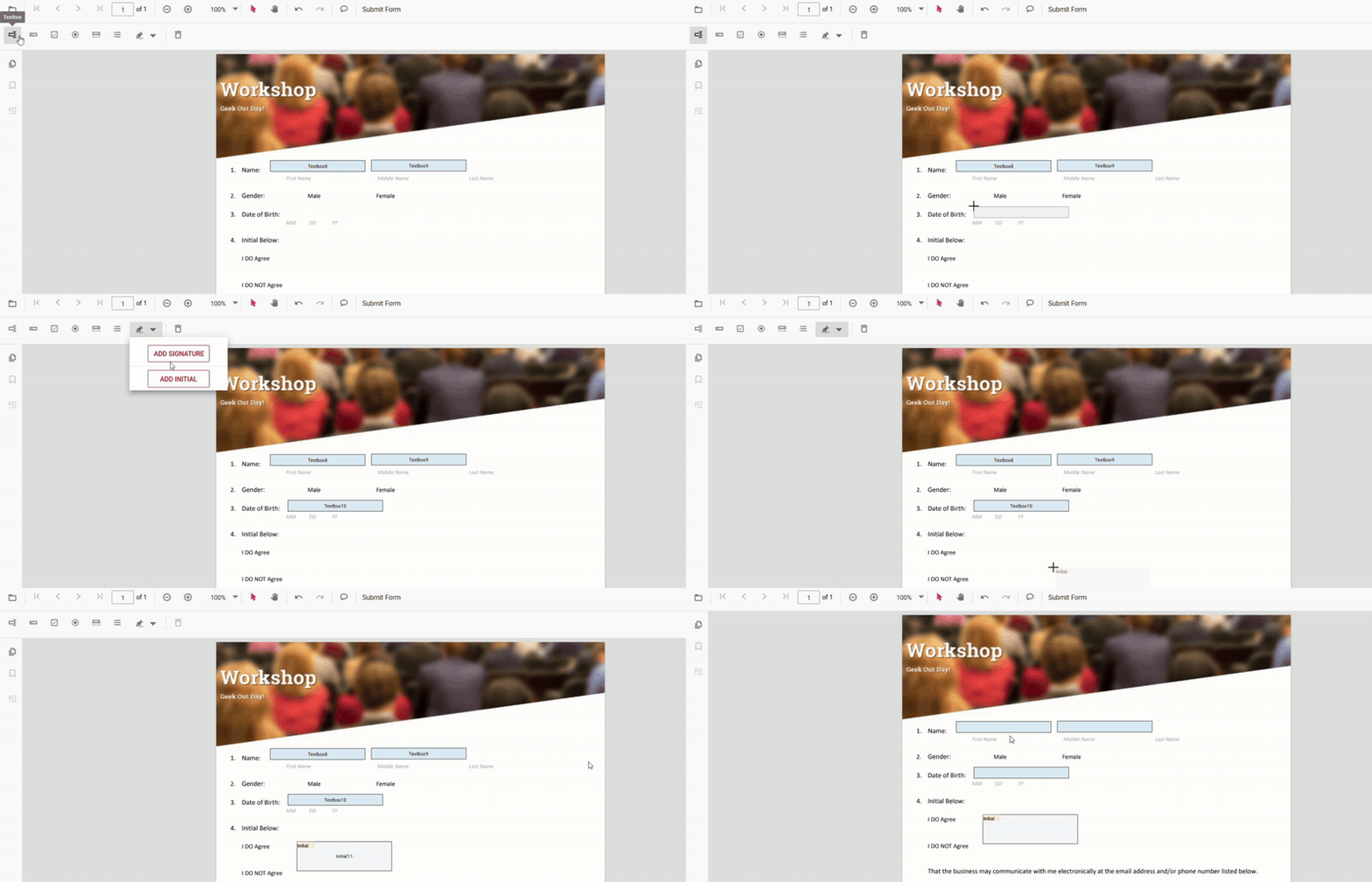
For more information about creating and editing form fields in the PDF Viewer, refer to the Form Creation in React PDF Viewer documentation.
Enable Form Designer
Form design features are enabled by injecting the FormDesigner module into the PDF Viewer. The enableFormDesigner API controls whether the Form Designer option appears in the main toolbar.
import * as ReactDOM from 'react-dom/client';
import * as React from 'react';
import './index.css';
import { PdfViewerComponent, Toolbar, Magnification, Navigation, LinkAnnotation, BookmarkView, ThumbnailView, Print, TextSelection, Annotation, TextSearch, FormFields, FormDesigner, Inject } from '@syncfusion/ej2-react-pdfviewer';
export function App() {
  return (<div>
    <div className='control-section'>
      <PdfViewerComponent
        id="container"
        documentPath="https://cdn.syncfusion.com/content/pdf/pdf-succinctly.pdf"
        resourceUrl="https://cdn.syncfusion.com/ej2/31.2.2/dist/ej2-pdfviewer-lib"
        enableFormDesigner={true}
        style=height
      >
        <Inject services={[Toolbar, Magnification, Navigation, Annotation, LinkAnnotation, BookmarkView, ThumbnailView,
          Print, TextSelection, TextSearch, FormFields, FormDesigner]} />
      </PdfViewerComponent>
    </div>
  </div>);
}
const root = ReactDOM.createRoot(document.getElementById('sample'));
root.render(<App />);
Form Designer Toolbar
The Form Designer toolbar appears at the top of the PDF Viewer and provides quick access to form field creation tools. It includes frequently used field types such as:
- Text box
- Password Field
- Check box
- Radio button
- Dropdown List
- List box
- Signature field
- Initial field
- DateTime picker
Show or Hide the Built-in Form Designer Toolbar
The visibility of the Form Designer toolbar is controlled by the isFormDesignerToolbarVisible() method. This method enables the application to display or hide the Form Designer tools based on requirements. Refer to the code example here.
- The Form Designer toolbar is shown when form design is required.
- The toolbar can be hidden to provide a cleaner viewing experience.
Customize the Built-in Form Designer Toolbar
The Form Designer toolbar can be customized by specifying the tools to display and arranging them in the required order using the FormDesignerToolbarItems property.
This customization helps limit the available tools and simplify the user interface. A code example is available here.
Key Points
- Only the toolbar items listed are included, in the exact order specified.
- Any toolbar items not listed remain hidden, resulting in a cleaner and more focused UI.
Adding Form Fields
Each toolbar item in the Form Designer toolbar allows users to place the corresponding form field by selecting the tool and clicking on the desired location in the PDF document.
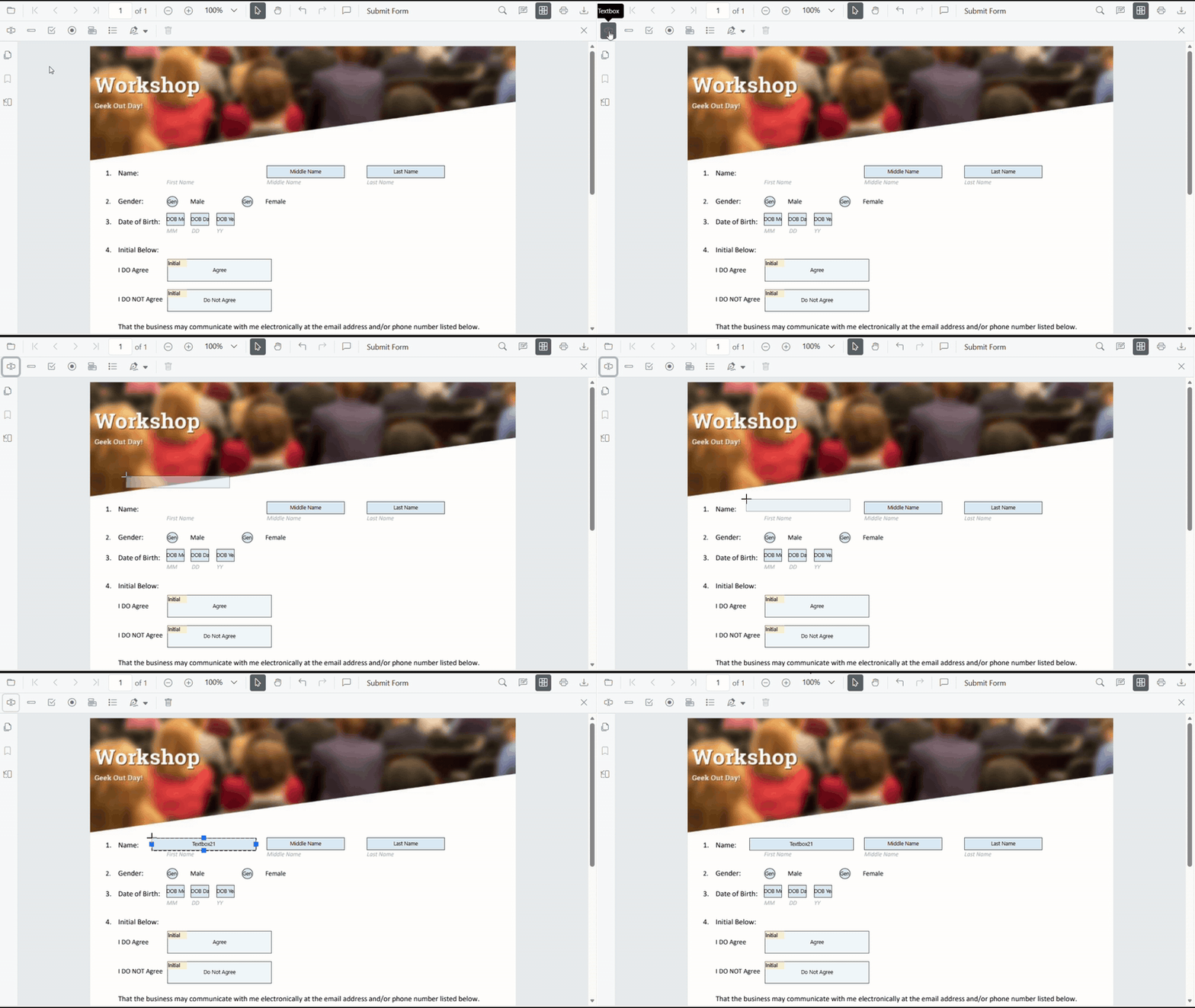
For more information about creating form fields in the PDF Viewer, refer to the Form Creation in React PDF Viewer documentation.
Move, Resize, and Edit Form Fields
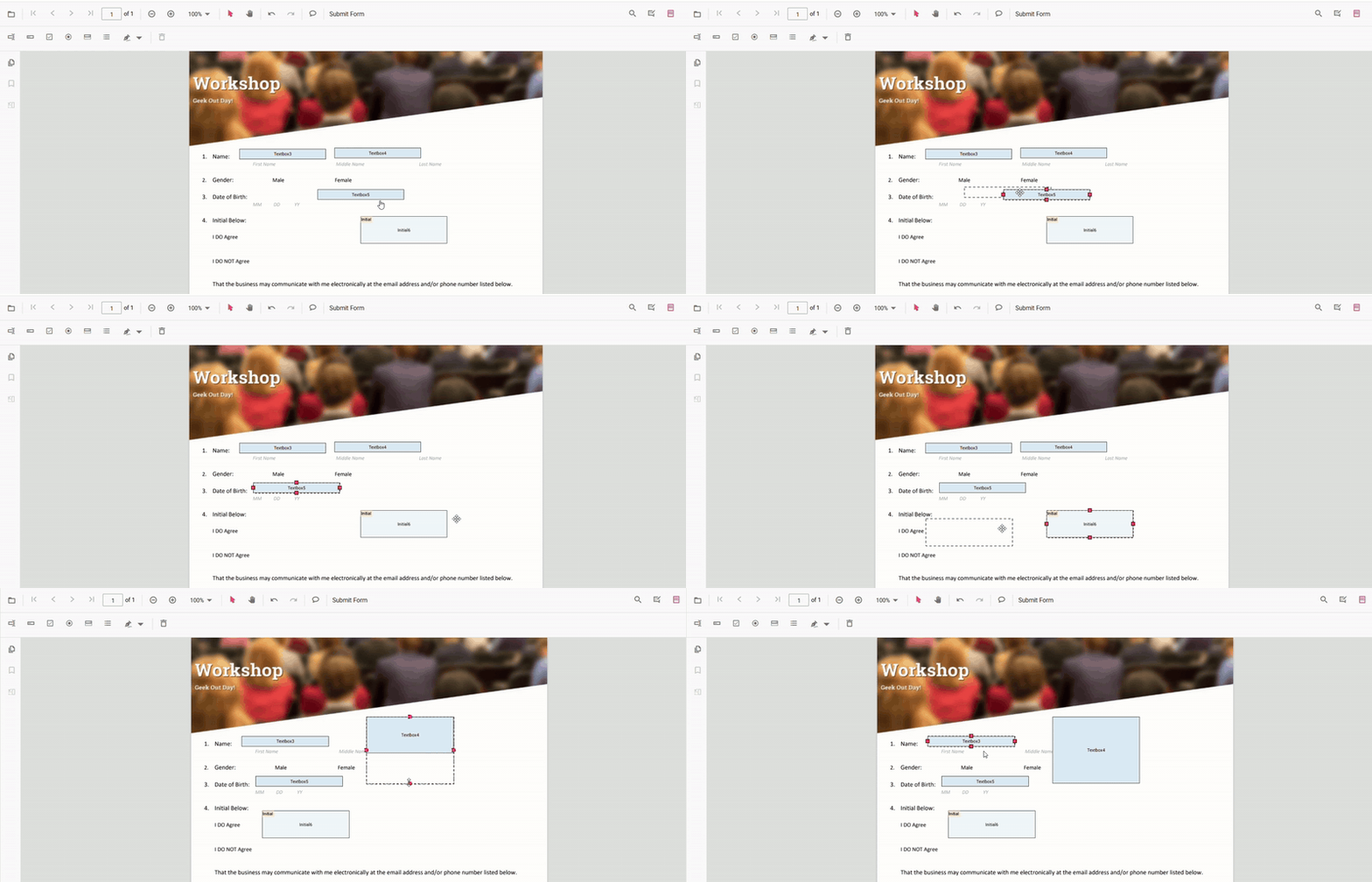
Fields can be moved, resized, and edited directly in the PDF Viewer using the Form Designer.
-
A field is moved by selecting it and dragging it to the required position.
-
Fields are resized using the handles displayed on the field boundary.
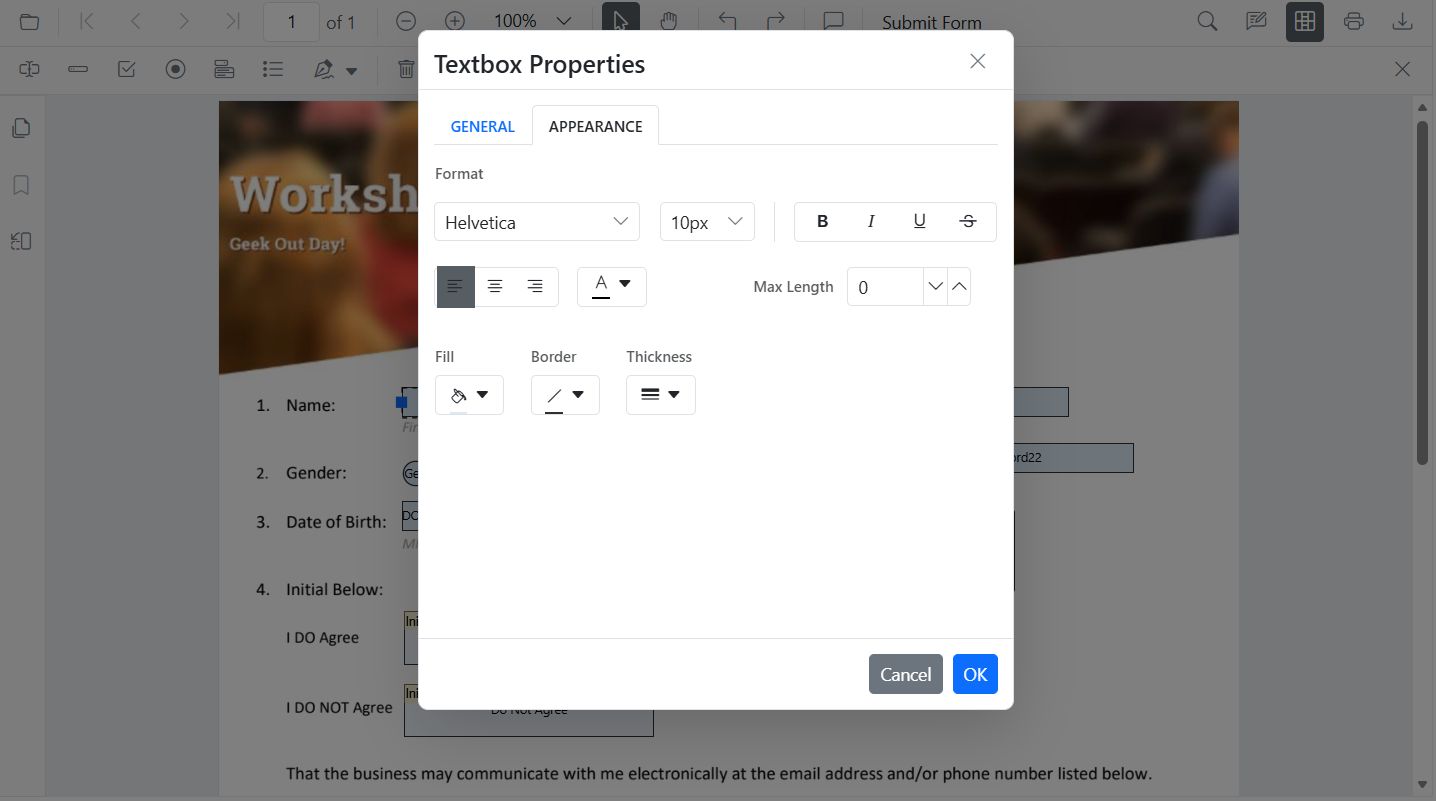
- Selecting a field opens the Form Field Properties popover, which allows modification of the form field and widget annotation properties. Changes are reflected immediately in the viewer and are saved when the properties popover is closed.
For more information, see Editing Form Fields
Edit Form Field Properties
The Properties panel lets you customize the styles of form fields. Open the panel by selecting the Properties option in a field’s context menu.
Deleting Form Fields
A form field is removed by selecting it and either clicking the Delete option in the Form Designer UI or pressing the Delete key on the keyboard. The selected form field and its associated widget annotation are permanently removed from the page.
For more information, see Deleting Form Fields