Getting Started with WinUI Shadow
18 Nov 201812 minutes to read
This section explains how to get started with the Shadow control in a WinUI application and demonstrates the basic steps required to add and use the control.
Creating an application with WinUI Shadow control
- Create a WinUI 3 desktop app for C#.
- Install the Syncfusion.Core.WinUI NuGet package.
- Import the Syncfusion.UI.Xaml.Core namespace in XAML or C#.
-
Create and initialize the SfShadow control.
<Window
    x:Class="GettingStarted.MainWindow"
    xmlns="http://schemas.microsoft.com/winfx/2006/xaml/presentation"
    xmlns:x="http://schemas.microsoft.com/winfx/2006/xaml"
    xmlns:local="using:GettingStarted"
    xmlns:d="http://schemas.microsoft.com/expression/blend/2008"
    xmlns:mc="http://schemas.openxmlformats.org/markup-compatibility/2006"
    xmlns:syncfusion="using:Syncfusion.UI.Xaml.Core"
    mc:Ignorable="d"
    Title="SfShadow - Button">
    <Grid>
      <syncfusion:SfShadow>
         <Button Height="50" Width="100" Content="Button"/>
      </syncfusion:SfShadow>
    </Grid>
</Window>
// Creating an instance of the Shadow control. namespace GettingStarted { public sealed partial class MainWindow : Window { public MainWindow() { InitializeComponent(); SfShadow shadow = new SfShadow(); // Setting the SfShadow content value. Button button = new Button(); button.Height = 50; button.Width = 100; button.Content = "Button"; shadow.Content = button; this.Content = shadow; } } }
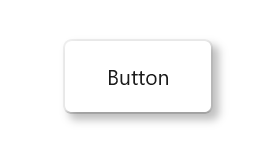
Applying shadow effect for image
You can apply shadow effects to any Image using the SfShadow control.
<Window
    x:Class="GettingStarted.MainWindow"
    xmlns="http://schemas.microsoft.com/winfx/2006/xaml/presentation"
    xmlns:x="http://schemas.microsoft.com/winfx/2006/xaml"
    xmlns:local="using:GettingStarted"
    xmlns:d="http://schemas.microsoft.com/expression/blend/2008"
    xmlns:mc="http://schemas.openxmlformats.org/markup-compatibility/2006"
    xmlns:syncfusion="using:Syncfusion.UI.Xaml.Core"
    mc:Ignorable="d"
    Title="SfShadow - Image">
    <Grid>
        <syncfusion:SfShadow>
            <Image Height="150" Width="150" Source="/Assets/Shadow/Ellipse_Shadow.png"/>
        </syncfusion:SfShadow>
    </Grid>
</Window>
namespace GettingStarted
{
public sealed partial class MainWindow : Window
{
public MainWindow()
{
InitializeComponent();
SfShadow shadow = new SfShadow();
Image image = new Image();
image.Height = 150;
image.Width = 150;
BitmapImage bitmapImage = new BitmapImage();
bitmapImage.UriSource = new Uri("ms-appx:///Assets/Shadow/Ellipse_Shadow.png");
image.Source = bitmapImage;
shadow.Content = image;
this.Content = shadow;
}
}
}
Applying shadow effect for shape
You can apply shadow effects to any Shape or Path using the SfShadow control.
<Window
    x:Class="GettingStarted.MainWindow"
    xmlns="http://schemas.microsoft.com/winfx/2006/xaml/presentation"
    xmlns:x="http://schemas.microsoft.com/winfx/2006/xaml"
    xmlns:local="using:GettingStarted"
    xmlns:d="http://schemas.microsoft.com/expression/blend/2008"
    xmlns:mc="http://schemas.openxmlformats.org/markup-compatibility/2006"
    xmlns:syncfusion="using:Syncfusion.UI.Xaml.Core"
    mc:Ignorable="d"
    Title="SfShadow - Shape">
    <Grid>
        <StackPanel Orientation="Horizontal" HorizontalAlignment="Center" VerticalAlignment="Center">
            <syncfusion:SfShadow>
                <Path Data="M44.5 4L54.0608 33.4114H85L59.9696 51.5886L69.5304 81L44.5 62.8228L19.4696 81L29.0304 51.5886L4 33.4114H34.9392L44.5 4Z" Fill="#FFD700"/>
            </syncfusion:SfShadow>
            <syncfusion:SfShadow>
                <Path Data="M44.5 4L54.0608 33.4114H85L59.9696 51.5886L69.5304 81L44.5 62.8228L19.4696 81L29.0304 51.5886L4 33.4114H34.9392L44.5 4Z" Fill="#FFD700"/>
            </syncfusion:SfShadow>
            <syncfusion:SfShadow>
                <Path Data="M44.5 4L54.0608 33.4114H85L59.9696 51.5886L69.5304 81L44.5 62.8228L19.4696 81L29.0304 51.5886L4 33.4114H34.9392L44.5 4Z" Fill="#FFD700"/>
            </syncfusion:SfShadow>
            <syncfusion:SfShadow>
                <Path Data="M44.5 4L54.0608 33.4114H85L59.9696 51.5886L69.5304 81L44.5 62.8228L19.4696 81L29.0304 51.5886L4 33.4114H34.9392L44.5 4Z" Fill="#FFD700"/>
            </syncfusion:SfShadow>
            <syncfusion:SfShadow>
                <Path Data="M44.5 4L54.0608 33.4114H85L59.9696 51.5886L69.5304 81L44.5 62.8228L19.4696 81L29.0304 51.5886L4 33.4114H34.9392L44.5 4Z" Fill="#FFD700"/>
            </syncfusion:SfShadow>
        </StackPanel>
    </Grid>
</Window>
using Microsoft.UI.Xaml;
using Microsoft.UI.Xaml.Controls;
using Microsoft.UI.Xaml.Data;
using Microsoft.UI.Xaml.Media;
using Microsoft.UI.Xaml.Shapes;
using Syncfusion.UI.Xaml.Core;
using Windows.UI;
namespace GettingStarted
{
public sealed partial class MainWindow : Window
{
public MainWindow()
{
InitializeComponent();
StackPanel panel = new StackPanel();
panel.Orientation = Orientation.Horizontal;
panel.HorizontalAlignment = HorizontalAlignment.Center;
panel.VerticalAlignment = VerticalAlignment.Center;
SfShadow shadow1 = new SfShadow();
Path path1 = new Path();
string data1 = "M44.5 4L54.0608 33.4114H85L59.9696 51.5886L69.5304 81L44.5 62.8228L19.4696 81L29.0304 51.5886L4 33.4114H34.9392L44.5 4Z";
path1.SetBinding(Microsoft.UI.Xaml.Shapes.Path.DataProperty, new Binding() { Source = data1 });
path1.Fill = new SolidColorBrush(Color.FromArgb(255, 255, 215, 0));
shadow1.Content = path1;
SfShadow shadow2 = new SfShadow();
Path path2 = new Path();
string data2 = "M44.5 4L54.0608 33.4114H85L59.9696 51.5886L69.5304 81L44.5 62.8228L19.4696 81L29.0304 51.5886L4 33.4114H34.9392L44.5 4Z";
path2.SetBinding(Microsoft.UI.Xaml.Shapes.Path.DataProperty, new Binding() { Source = data2 });
path2.Fill = new SolidColorBrush(Color.FromArgb(255, 255, 215, 0));
shadow2.Content = path2;
SfShadow shadow3 = new SfShadow();
Path path3 = new Path();
string data3 = "M44.5 4L54.0608 33.4114H85L59.9696 51.5886L69.5304 81L44.5 62.8228L19.4696 81L29.0304 51.5886L4 33.4114H34.9392L44.5 4Z";
path3.SetBinding(Microsoft.UI.Xaml.Shapes.Path.DataProperty, new Binding() { Source = data3 });
path3.Fill = new SolidColorBrush(Color.FromArgb(255, 255, 215, 0));
shadow3.Content = path3;
SfShadow shadow4 = new SfShadow();
Path path4 = new Path();
string data4 = "M44.5 4L54.0608 33.4114H85L59.9696 51.5886L69.5304 81L44.5 62.8228L19.4696 81L29.0304 51.5886L4 33.4114H34.9392L44.5 4Z";
path4.SetBinding(Microsoft.UI.Xaml.Shapes.Path.DataProperty, new Binding() { Source = data4 });
path4.Fill = new SolidColorBrush(Color.FromArgb(255, 255, 215, 0));
shadow4.Content = path4;
SfShadow shadow5 = new SfShadow();
Path path5 = new Path();
string data5 = "M44.5 4L54.0608 33.4114H85L59.9696 51.5886L69.5304 81L44.5 62.8228L19.4696 81L29.0304 51.5886L4 33.4114H34.9392L44.5 4Z";
path5.SetBinding(Microsoft.UI.Xaml.Shapes.Path.DataProperty, new Binding() { Source = data5 });
path5.Fill = new SolidColorBrush(Color.FromArgb(255, 255, 215, 0));
shadow5.Content = path5;
panel.Children.Add(shadow1);
panel.Children.Add(shadow2);
panel.Children.Add(shadow3);
panel.Children.Add(shadow4);
panel.Children.Add(shadow5);
}
}
}